
Frequently Asked Questions
What is endoscopy?
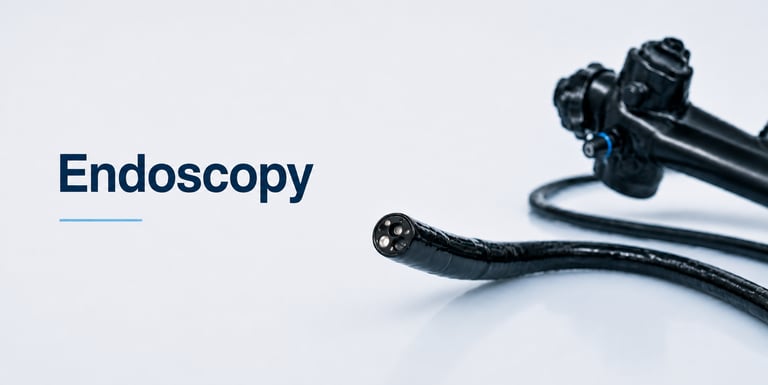
Endoscopy is a procedure that uses a thin flexible camera to look inside the digestive tract. It allows the lining of the oesophagus, stomach, duodenum, bowel or bile ducts to be examined directly.
Depending on your symptoms, endoscopy may be used to:
Investigate reflux, indigestion or upper abdominal pain
Assess swallowing difficulty or food sticking
Look for inflammation, ulcers, narrowing or hiatus hernia
Assess for Barrett’s oesophagus
Take biopsies where required
Investigate anaemia, weight loss or concerning gastrointestinal symptoms
Assess gallstone or bile duct problems
Provide treatment during the same procedure in selected cases
Upper GI endoscopy / gastroscopy
A gastroscopy examines the oesophagus, stomach and first part of the small bowel. It is commonly used to investigate reflux, heartburn, indigestion, upper abdominal pain, nausea, vomiting, swallowing difficulty and possible ulcers.
Gastroscopy may also identify a hiatus hernia, oesophagitis, gastritis, strictures, Barrett’s oesophagus or other upper GI conditions.
This is particularly relevant for patients considering treatment for reflux disease, hiatus hernia, swallowing problems or upper abdominal symptoms.
Reflux and Barrett’s oesophagus assessment
Patients with long-term reflux symptoms may require endoscopic assessment to check for inflammation of the oesophagus, complications of reflux or Barrett’s oesophagus.
Barrett’s oesophagus is a change in the lining of the lower oesophagus associated with chronic reflux. It may require surveillance and careful specialist follow-up.
Mr McArthur’s practice includes assessment of gastro-oesophageal reflux disease, Barrett's oesophagus, hiatus hernia and functional upper GI symptoms, including investigations such as Bravo pH studies and oesophageal manometry where appropriate.
Therapeutic endoscopy
Some problems can be treated during endoscopy. This may include treatment of narrowing, removal of selected lesions, control of bleeding or other specialist endoscopic procedures depending on the findings and clinical circumstances.
Mr McArthur is experienced in both diagnostic and advanced therapeutic endoscopy, including endoscopic palliation for upper GI malignancy.
Symptoms that may require endoscopy
You may benefit from a specialist consultation if you have:
Persistent heartburn or acid reflux
Difficulty swallowing
Food sticking after swallowing
Persistent indigestion or upper abdominal pain
Unexplained nausea or vomiting
Vomiting blood or passing black stools
Unexplained iron deficiency anaemia
Unexplained weight loss
A known or suspected hiatus hernia
Barrett’s oesophagus requiring assessment or surveillance
Recurrent upper abdominal pain after eating
Some symptoms require urgent assessment, particularly progressive swallowing difficulty, vomiting blood, black stools, unexplained weight loss or persistent severe pain.
What happens at your consultation?
Your consultation will focus on understanding your symptoms, medical history and previous investigations. Mr McArthur will discuss whether endoscopy is appropriate and explain which test is most suitable.
Your plan may include:
Gastroscopy
Biopsies if required
Reflux testing such as Bravo pH monitoring
Oesophageal manometry for swallowing or motility symptoms
Blood tests, imaging or onward treatment planning
The aim is to provide a clear diagnosis and a practical treatment plan.
What to expect during endoscopy
Most endoscopic procedures are performed as day-case procedures. You will receive instructions before your appointment, including when to stop eating and drinking and whether any medication needs to be adjusted.
Sedation may be offered depending on the procedure and your individual circumstances. After sedation, you will usually need someone to take you home and you should not drive for the rest of the day.
Deep sedation administered by an anaesthetist is also available in select cases.
Your findings will be explained after the procedure, and biopsy results will be reviewed at a follow -up clinic when available.
Why choose Glasgow Surgery Ltd?
Glasgow Surgery Ltd provides specialist Upper Gastrointestinal Surgery consultant-led care ensuring that whatever the symptoms and results you can be assured the best possible advice and treatment.
Patients are seen privately at Ross Hall Hospital and Ross Hall Clinic Braehead. Glasgow Surgery Ltd welcomes insured and self-pay patients, and a GP referral is not required.
Consultant-led assessment for reflux, swallowing symptoms, abdominal pain and upper GI conditions
Private Endoscopy in Glasgow
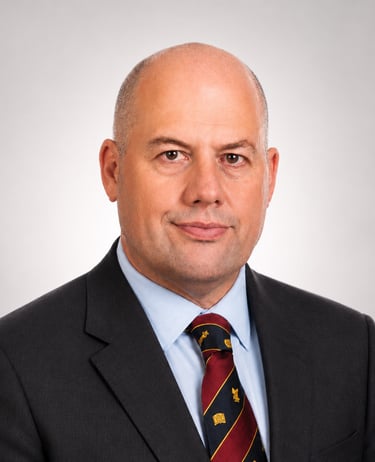
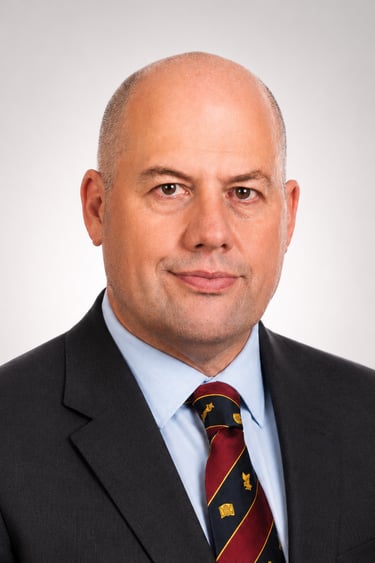
As an experienced Consultant General and Upper GI Surgeon, Mr McArthur offers a careful, specialist approach to diagnosis and treatment planning. Upper GI endoscopy, also known as gastroscopy, allows the oesophagus, stomach and first part of the small bowel to be examined directly, helping to identify conditions such as oesophagitis, gastritis, ulcers, hiatus hernia, strictures and Barrett’s oesophagus.
If you do not have insurance, attractive all-inclusive fixed price packages are available with guide prices starting at £2,094 for upper GI endoscopy. Payment for fixed price packages is made directly to Ross Hall Hospital and the final price will be confirmed in writing following your consultation and any necessary diagnostic tests.
Mr Donald McArthur, FRCS provides private consultant-led endoscopy assessment in Glasgow for patients with reflux, indigestion, upper abdominal pain, difficulty swallowing, nausea, anaemia, Barrett’s oesophagus, or other concerning gastrointestinal symptoms.
Patients are assessed privately at Ross Hall Hospital and Ross Hall Clinic Braehead. Glasgow Surgery Ltd is fee assured with all major insurance providers and welcomes insured and self-pay patients. A GP referral is not required.
Glasgow Surgery Ltd
Expert care for general surgery and complex gastrointestinal and hernia conditions.
Contact
email: enquiries@glasgowsurgery.org
telephone: 0808 273 8851
© 2025. All rights reserved. Page last reviewed June 2026 Mr D McArthur FRCS GMC 6026690
For appointments contact